The Hammer Worker: an early tribute to migrant labour at Fenix

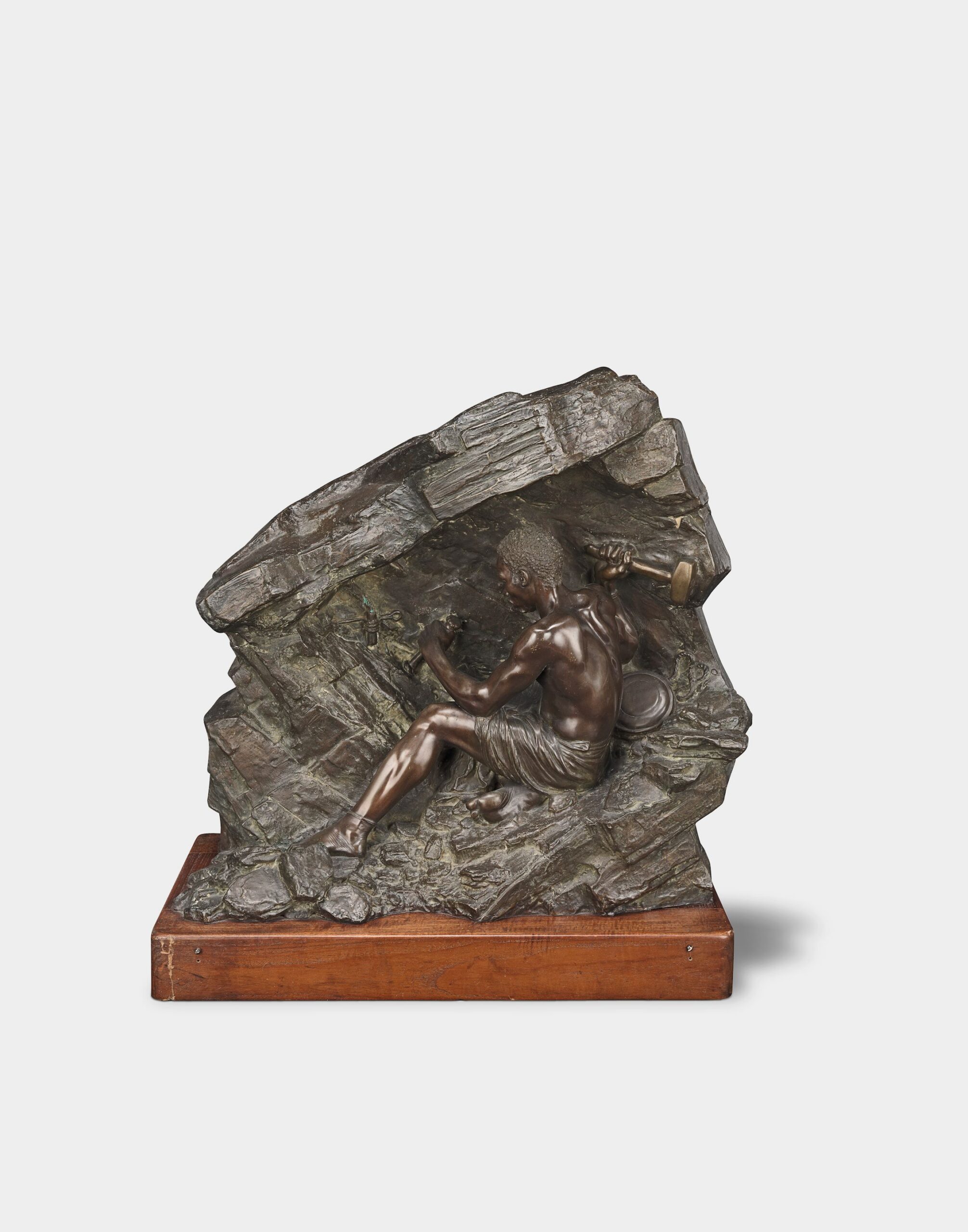
Rotterdam’s migration museum Fenix has acquired a rare bronze sculpture by Anton van Wouw (1862–1945). With this acquisition, Fenix becomes the first art museum in the Netherlands to include a work by the influential sculptor in its collection. The artwork, The Hammer Worker (1911), highlights a theme that remains highly relevant today: migration and labour.
The sculpture portrays a mine worker, a powerful symbol of the many migrants who travel across borders in search of work and a better future. Even today, migrant workers, refugees and international labourers often work in physically demanding sectors such as agriculture, logistics and food production. In that sense, The Hammer Worker is not only a historical artwork but also a timeless reflection on global migration and labour.


Rotterdam roots of an internationally known sculptor

Although Anton van Wouw is internationally recognised, particularly in South Africa, his connection to Rotterdam is less well known. The artist spent his youth in the city and studied at the Academy of Fine Arts before leaving Europe in 1889 at the age of 28. He first travelled to Mozambique and later settled in South Africa, where he built a major artistic career in Pretoria and Johannesburg.

Most of Van Wouw’s work can still be found in South Africa, including public monuments, sculptures and portrait busts. His bronzes were often cast in cities such as Rome and Florence, linking his work to the European artistic tradition, while the subjects he portrayed were deeply connected to South African society and history.

Despite these Rotterdam roots, Van Wouw remained largely unknown in the Netherlands and absent from European museum collections. That makes the acquisition by Fenix in Rotterdam particularly significant, bringing his story back to the city where his artistic journey began.


The story behind The Hammer Worker

The sculpture is closely connected to the history of gold mining in South Africa. After the discovery of large gold deposits in the Witwatersrand region in 1886, thousands of labourers migrated from neighbouring areas such as present-day Mozambique, Zimbabwe, Botswana and Tanzania to work in the mines.

Many of these workers came from the Shangaan community and were employed under extremely difficult circumstances. Anton van Wouw was one of the few artists of his time who chose to depict these labourers in his work, giving them visibility and recognition in sculpture.

The version acquired by Fenix is a rare large bronze edition of The Hammer Worker. Unlike the smaller versions known elsewhere, this sculpture weighs around 58 kilograms and offers an impressive and detailed representation of the migrant mine worker.


On display at Fenix in Rotterdam

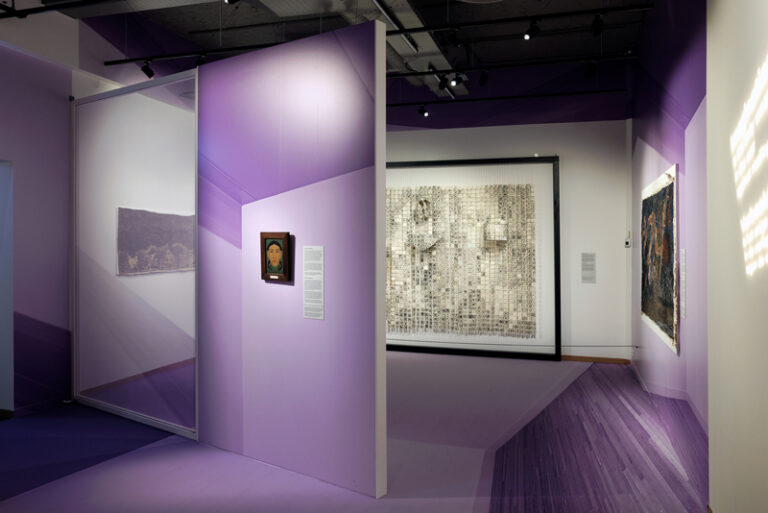
From this summer, visitors can see The Hammer Worker in the collection presentation Alle Richtingen at Fenix. The exhibition explores migration stories from around the world and shows how movement of people has shaped societies throughout history.

The artwork fits perfectly within the museum’s mission: reflecting on migration as a universal and timeless phenomenon.